
The trans widow’s story
Many voices have been silenced in the Western world’s rush to affirm transgender identity, but two groups stand out: detransitioners (those who have taken drastic medical steps to “change sex” and now regret it); and so-called ‘trans widows’, the women who are the subject of Vaishnavi Sundar‘s feature documentary Behind the Looking Glass.
A trans widow is a woman who is having to cope with her husband or partner’s new found ‘identity’ as a woman. Behind the Looking Glass is largely made up of interviews with these women, together with such gender critical voices as Helen Joyce and Genevieve Gluck offering insights into what this phenomenon and its meaning.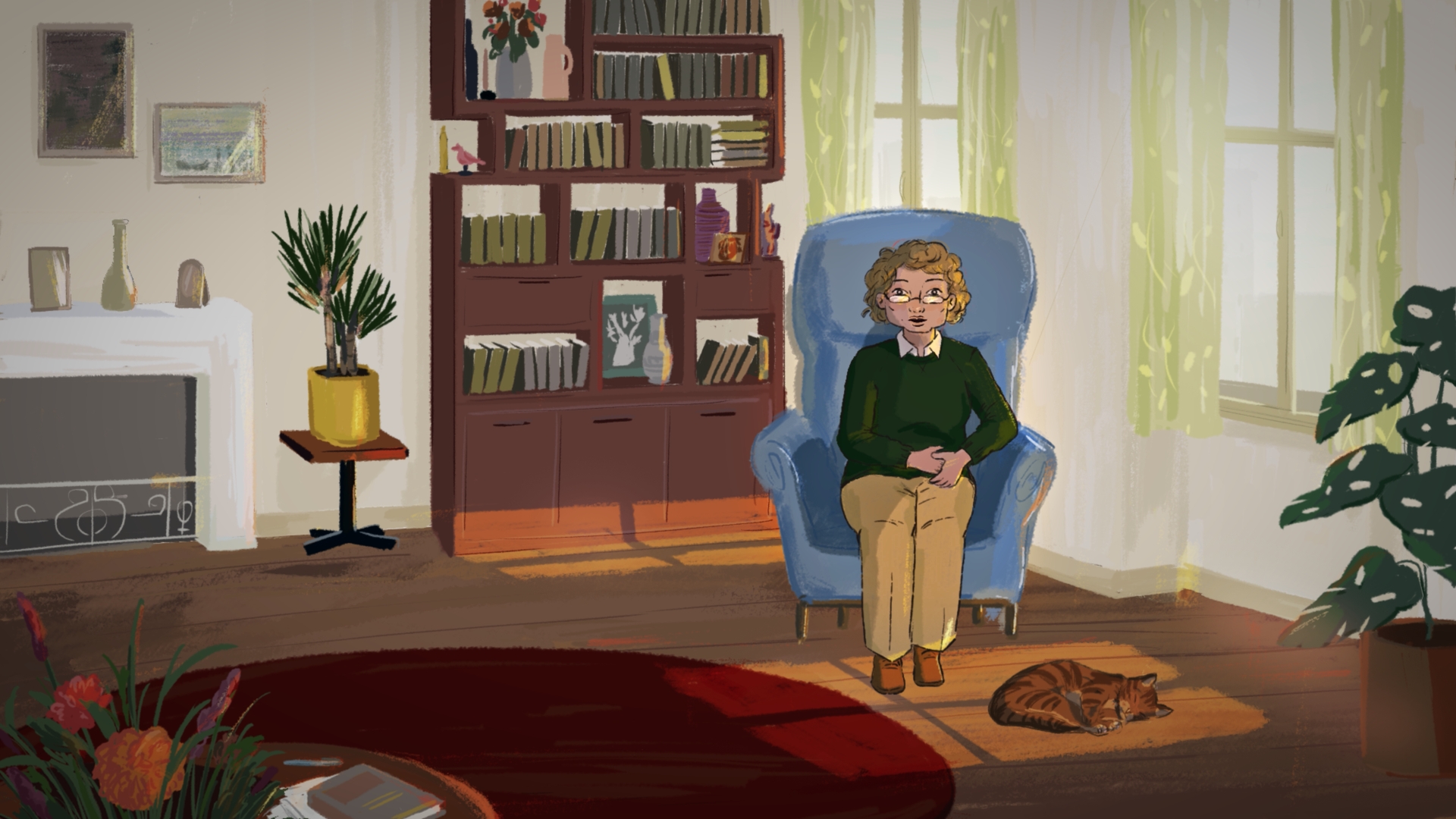
The stories of the trans widows show how their lives were turned upside down by the discovery of their partner’s tendencies and the gaslighting rationalisations given by the men in their lives. In all cases the issue is presented as less about gender dysphoria (a distressing sense of being ‘born in the wrong body’) than a reflection of autogynephilia. This is the term coined by psychologist Ray Blanchard to cover a range of behaviours including fetishistic cross-dressing, enactment of female stereotypes (as in drag) and even appropriating motherhood (male breastfeeding). Blanchard regards all these behaviours as sexual in nature and related to extreme forms of pornography, especially ‘sissy porn’ and scenes featuring BDSM.
In our discussion of the video we started with the title ‘Behind the Looking Glass’ – a reference to both the façade of trans identity presented to the world and the ‘looking glass’ of narcissistic indulgence that the trans-identified man is often devoted to.
Oliver picked up on the fact that many aspects of gender ideology are covered by media but information about trans widows is limited to this single YouTube film and that even this has been demonetised by YouTube. Filmmaker Sundar is unable to generate revenue for the film through advertising, despite the film being a hit on the platform. As Robbie pointed out, apart from a single article in the Daily Mail, publicity in the mainstream media has been absent and limited to hearsay via ‘gender critical’ networks and publications.
We were in agreement with what the film says about the role of porn; indeed the position of trans widows is exactly parallel to that of women who identify as “porn widows” and are subject to similar gaslighting and pressure to participate in their partner’s fantasies (see He Chose Porn Over Me by Melinda Tankard Reist, a previous discussion group choice). In this regard, one participant spoke about his own ‘peak trans’ experience, when a work colleague who had displayed sexually obsessive behaviour with female colleagues went on to gender reassignment surgery (and continued with the same behaviour post-transition).
We also reflected on what the trans widow phenomenon says about (1) the position of women in society (Victoria Smith’s book Hags: The Demonisation of Middle-aged Women is a good reference for this); and (2) male sexuality, especially its potential for pushing boundaries and creating new fetishes, to be pursued obsessively regardless of their impact on women and sometimes children.
One of the most disturbing interviews in the film is with the daughter of a trans-identified man describing how she had to validate her father’s new identity as a ‘mother’ in order to show herself loyal and loving to her dad. Another woman makes the point that the female identity adopted by her male partner only applied to sexual behaviour (cross dressing, make up and ”lesbian” porn) with no sign of him adopting any of the unglamorous domestic tasks assigned to real women (such as cooking, cleaning or other chores).
We also discussed the wider influence of gender ideology and social acceptance of its ideas. Robbie pointed to the role of billionaires funding the trans movement, as highlighted by Jennifer Bilek’s blog The 11th Hour; while Oliver talked about the influence of identity politics in general – a subject explored by Yascha Mounk in the book The Identity Trap: A Story of Ideas and Power in Our Time which we chose as the subject of our next meeting in October.
We all felt very positive about the documentary and Sundar’s dedication in making the women’s voices heard. After all it took her 3 years to complete the film. We hope Behind the Looking Glass will get the coverage and attention it deserves. MACS is very proud to support the work of Vaishnavi Sundar and her exploration of the lives of ‘trans widows’ , one of the last taboos of the gender identity struggle.
Vaishnavi Sundar will be releasing individual short films fully exploring the experiences of the ‘trans widows’ featured in the film. So please keep checking her YouTube channel for her latest films as part of the Behind the Looking Glass project.


